
Turquoise Jewelry For Sale
Showing 1–48 of 356 results
-
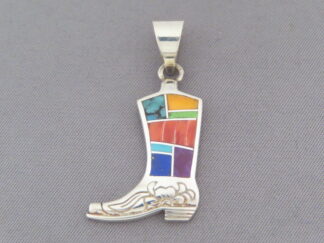 New
NewMulti-Color Inlay ‘Cowgirl Boot’ Pendant
$145 Add to cart -
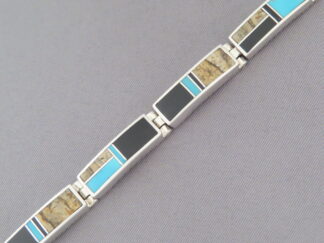 New
NewMulti-Stone Inlay Link Bracelet featuring Turquoise
$510 Add to cart -
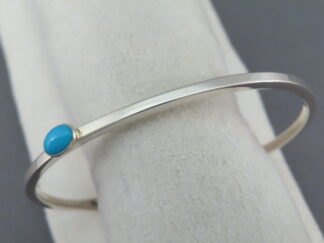 New
NewDainty Sleeping Beauty Turquoise Cuff Bracelet (Artie Yellowhorse)
$135 Add to cart -
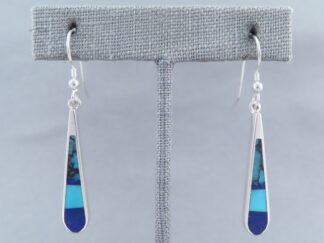 New
NewTurquoise & Lapis Inlay Earrings
$150 Add to cart -
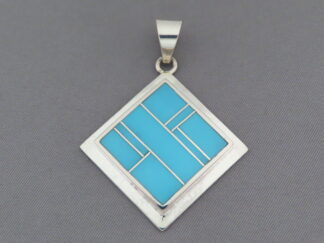
Turquoise Inlay Diamond-Shaped Pendant
$165 Add to cart -
 New
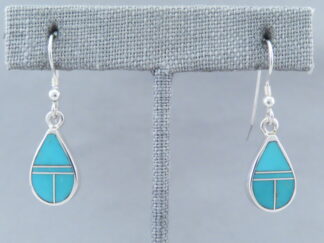
NewTurquoise Inlay Earrings (Teardrops)
$165 Add to cart -
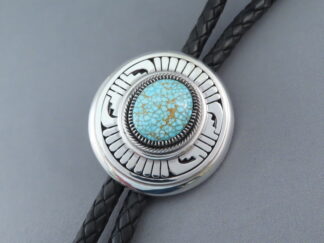
#8 Turquoise Bolo Tie by Leonard Nez
$1,595 Add to cart -
SOLD
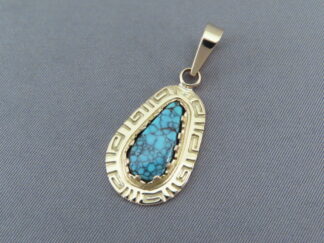
14kt Gold & Lone Mountain Turquoise Pendant by Robert Taylor
$1,370 Read more -
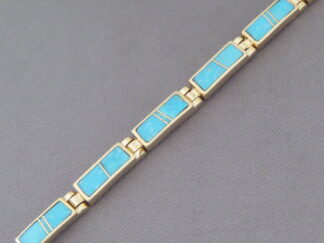
14kt Gold & Turquoise Inlay Link Bracelet
$4,200 Add to cart -
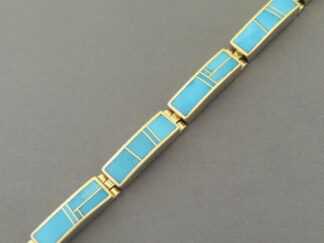
14kt Gold & Turquoise Inlay Link Bracelet (Wider)
$4,950 Add to cart -
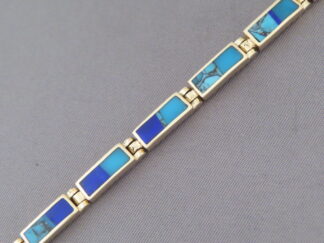
14kt Gold Link Bracelet with Turquoise & Lapis Inlay
$4,200 Add to cart -
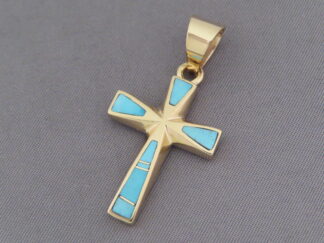
14kt Gold Turquoise Inlay Cross Pendant
$1,250 Add to cart -
 New
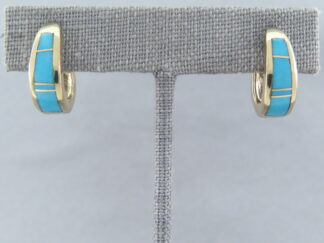
New14kt Gold Turquoise Inlay Earrings
$1,800 Add to cart -
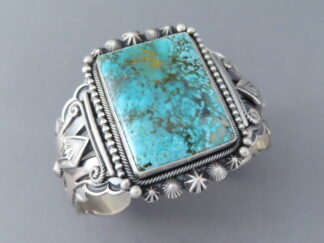
Aaron Toadlena Kingman Turquoise Sterling Silver Bracelet – WOW!!
$1,195 Add to cart -
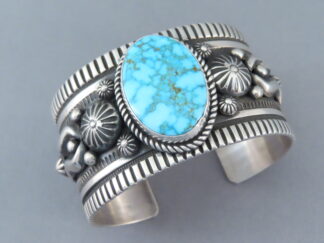
Albert Jake Kingman Turquoise Sterling Silver Bracelet
$1,150 Add to cart -
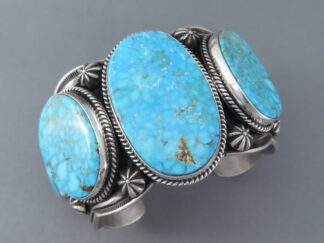
Andy Cadman Wider Kingman Turquoise Cuff Bracelet
$2,600 Add to cart -
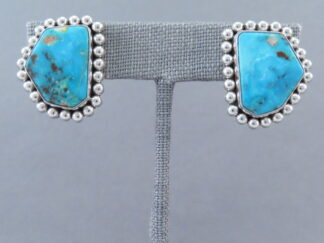
Artie Yellowhorse Earrings with Fox Turquoise
$495 Add to cart -
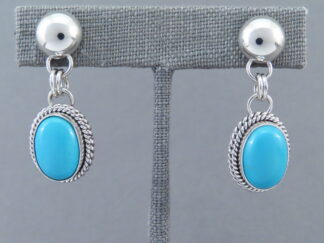
Artie Yellowhorse Sleeping Beauty Turquoise Dangling Earrings
$335 Add to cart -
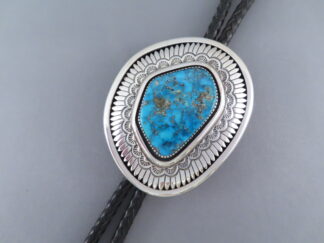
Awesome Allison Lee Bolo Tie with Morenci Turquoise
$3,850 Add to cart -
SOLD
 New
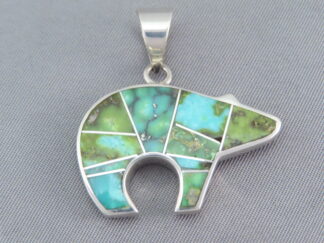
NewBear Pendant with Sonoran Gold Turquoise Inlay
$295 Read more -
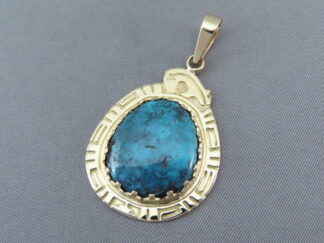
Bisbee Turquoise 14kt Gold Pendant
$1,750 Add to cart -
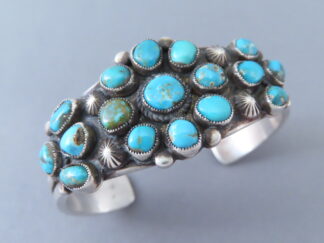
Bisbee Turquoise Cuff Bracelet by Calvin Martinez
$995 Add to cart -
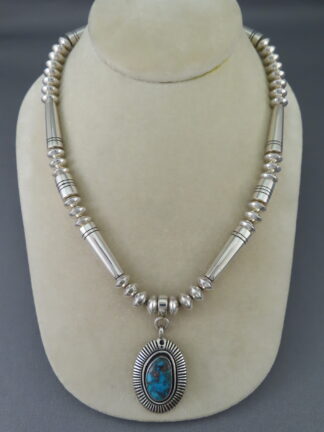
Bisbee Turquoise Pendant Necklace by Steven J Begay
$1,750 Add to cart -
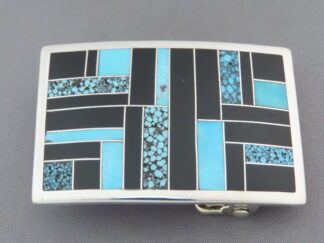
Black Jade & Turquoise Inlay Belt Buckle
$760 Add to cart -
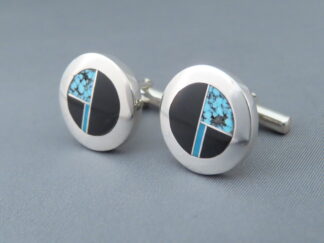
Black Jade & Turquoise Inlay Cufflinks
$260 Add to cart -
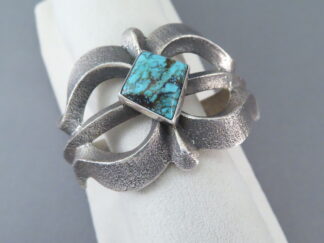
Blue Diamond Turquoise – Sandcast Bracelet
$595 Add to cart -
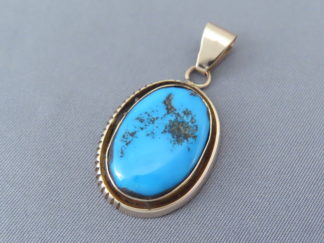
Blue Gem Turquoise & Gold Pendant
$1,695 Add to cart -
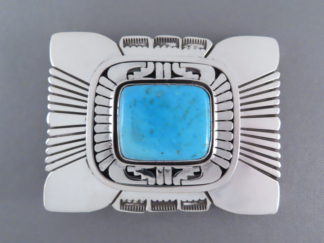
Blue Gem Turquoise Belt Buckle by Leonard Nez
$1,295 Add to cart -
SOLD
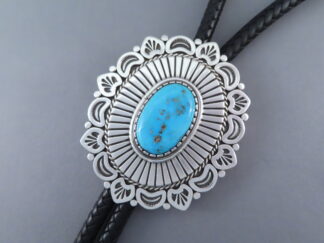
Blue Gem Turquoise Bolo Tie by Leonard Gene
$1,795 Read more -
SOLD
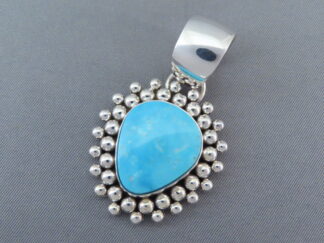
Blue Gem Turquoise Pendant by Artie Yellowhorse
$565 Read more -
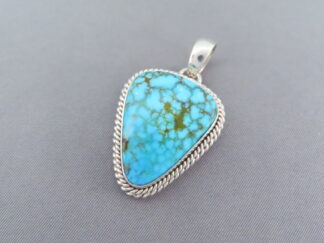
Blue Pendant with Kingman Turquoise by Artie Yellowhorse
$375 Add to cart -
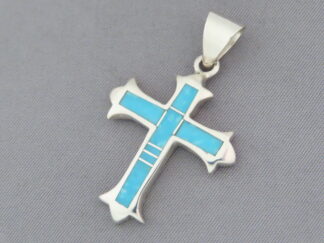
Blue Turquoise Inlay Cross Pendant
$195 Add to cart -
 New
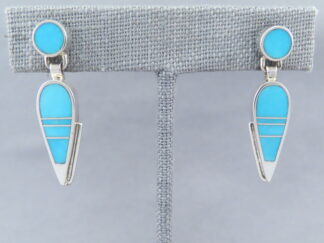
NewBlue Turquoise Inlay Earrings
$198 Add to cart -
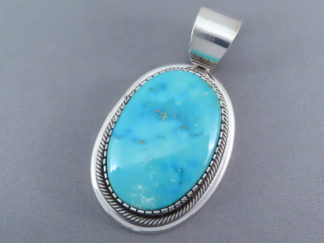
BLUE Turquoise Mountain Turquoise Pendant by Leonard Nez (Larger)
$1,485 Add to cart -
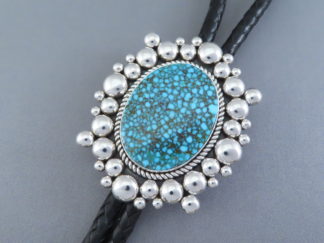
Bolo Tie with Kingman Turquoise by Artie Yellowhorse
$1,800 Add to cart -
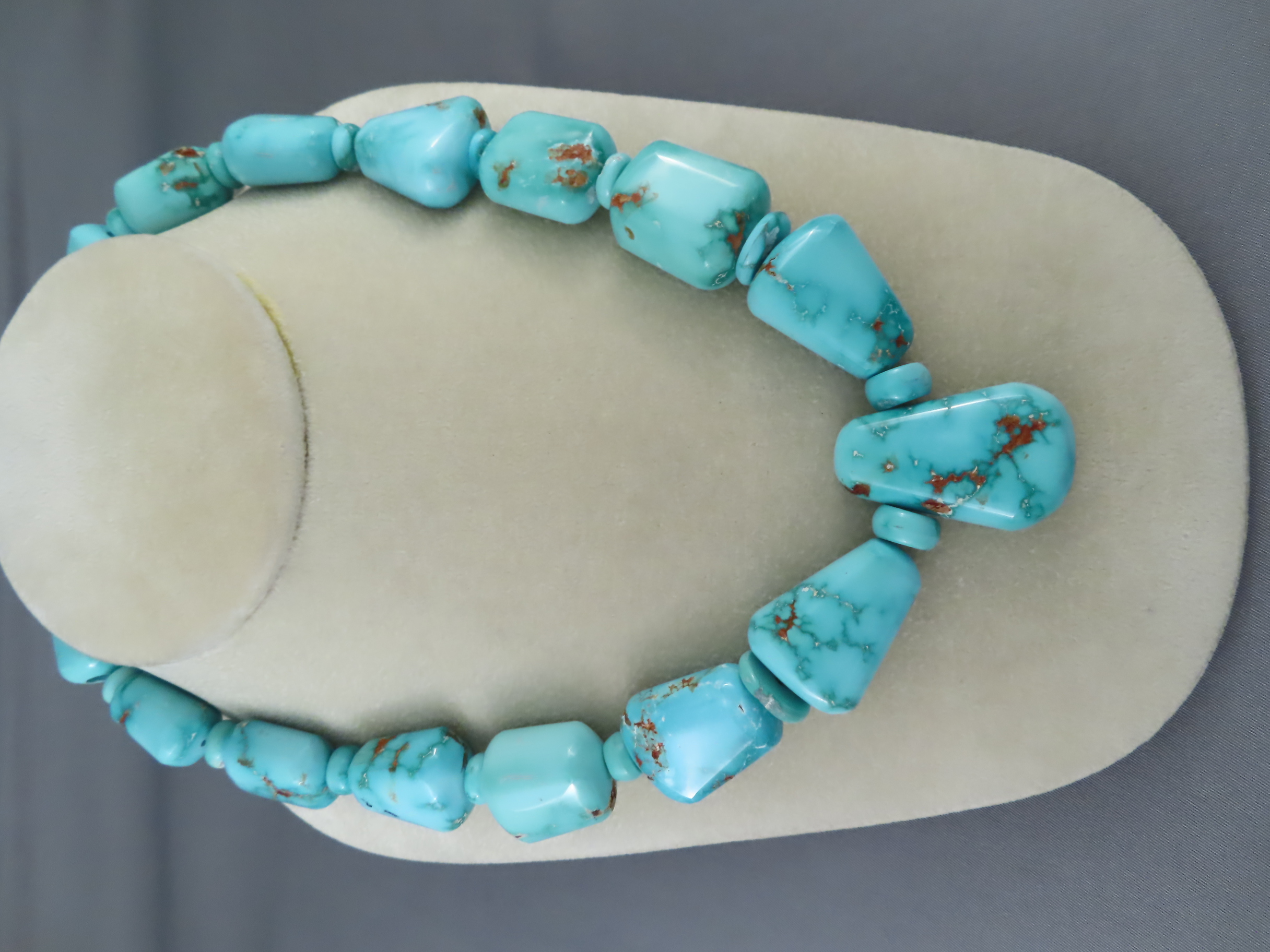
Bruce Eckhardt Fox Turquoise Necklace
$3,450 Add to cart -
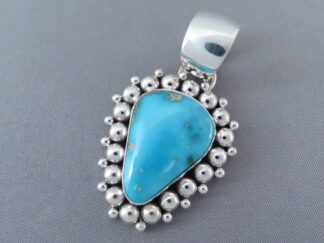
Candelaria Turquoise & Sterling Silver Pendant by Artie Yellowhorse
$525 Add to cart -
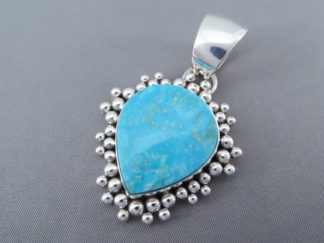
Candelaria Turquoise Pendant by Artie Yellowhorse
$495 Add to cart -
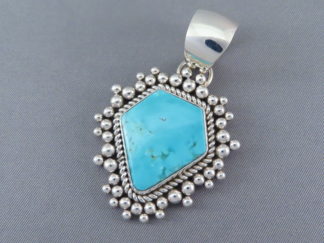
Candelaria Turquoise Slider/Pendant by Artie Yellowhorse
$495 Add to cart -
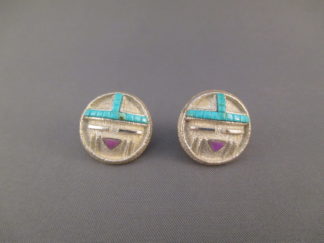
Charles Supplee Earrings
$995 Add to cart -
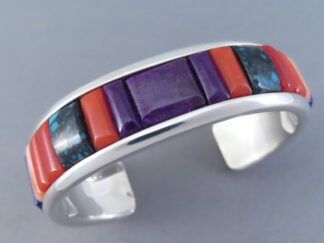
Cobblestone Inlay Cuff Bracelet Featuring Sugilite
$1,575 Add to cart -
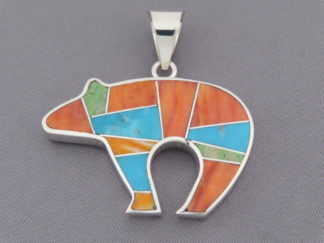
Colorful BEAR Pendant with Multi-Stone Inlay
$275 Add to cart -
 New
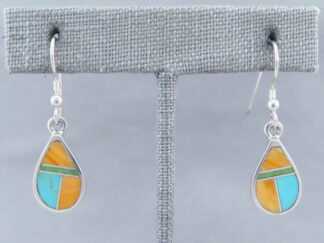
NewColorful Multi-Stone Inlay ‘Teardrop’ Earrings
$175 Add to cart -
 New
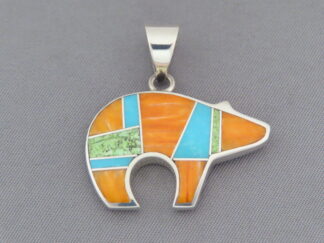
NewColorful Multi-Stone Inlay BEAR Pendant (Mid-Sized)
$240 Add to cart -
 New
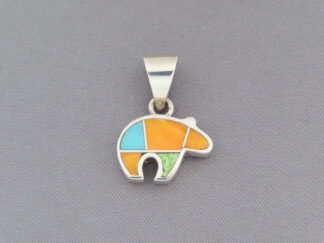
NewColorful Multi-Stone Inlay Bear Pendant (small)
$115 Add to cart -
SOLD
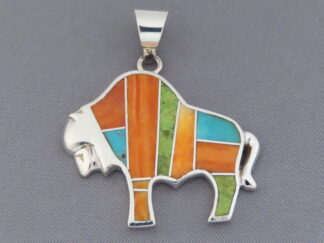
Colorful Multi-Stone Inlay BISON Pendant
$255 Read more -
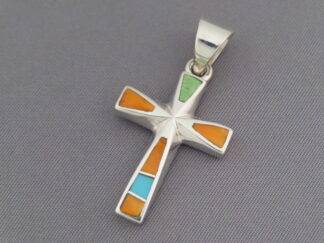
Colorful Multi-Stone Inlay Cross Pendant
$175 Add to cart -
 New
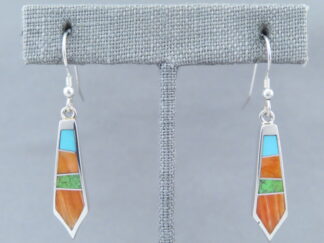
NewColorful Multi-Stone Inlay Earrings
$175 Add to cart
Showing 1–48 of 356 results
Our favorite… Native American Turquoise Jewelry!!
Shop our entire online selection of Jewelry with Turquoise for sale. Native American Indian Turquoise Pendants, Necklaces, Cuff Bracelets, Belt Buckles, Link Bracelets, Concho Belts, etc., etc. Buy all types of turquoise, and all types of jewelry! Even jewelry with only turquoise accents – anything with turquoise included at all. All for sale and ready to be delivered directly to you or your loved one. Buy jewelry with Sleeping Beauty Turquoise, Kingman Turquoise, Carico Lake, Royston, and Pilot Mountain Turquoise; Dry Creek, or Morenci Turquoise; Lone Mountain Turquoise, Bisbee Turquoise, etc., etc., etc!! Our whole inventory of Native American Indian jewelry with turquoise… ENJOY!!
